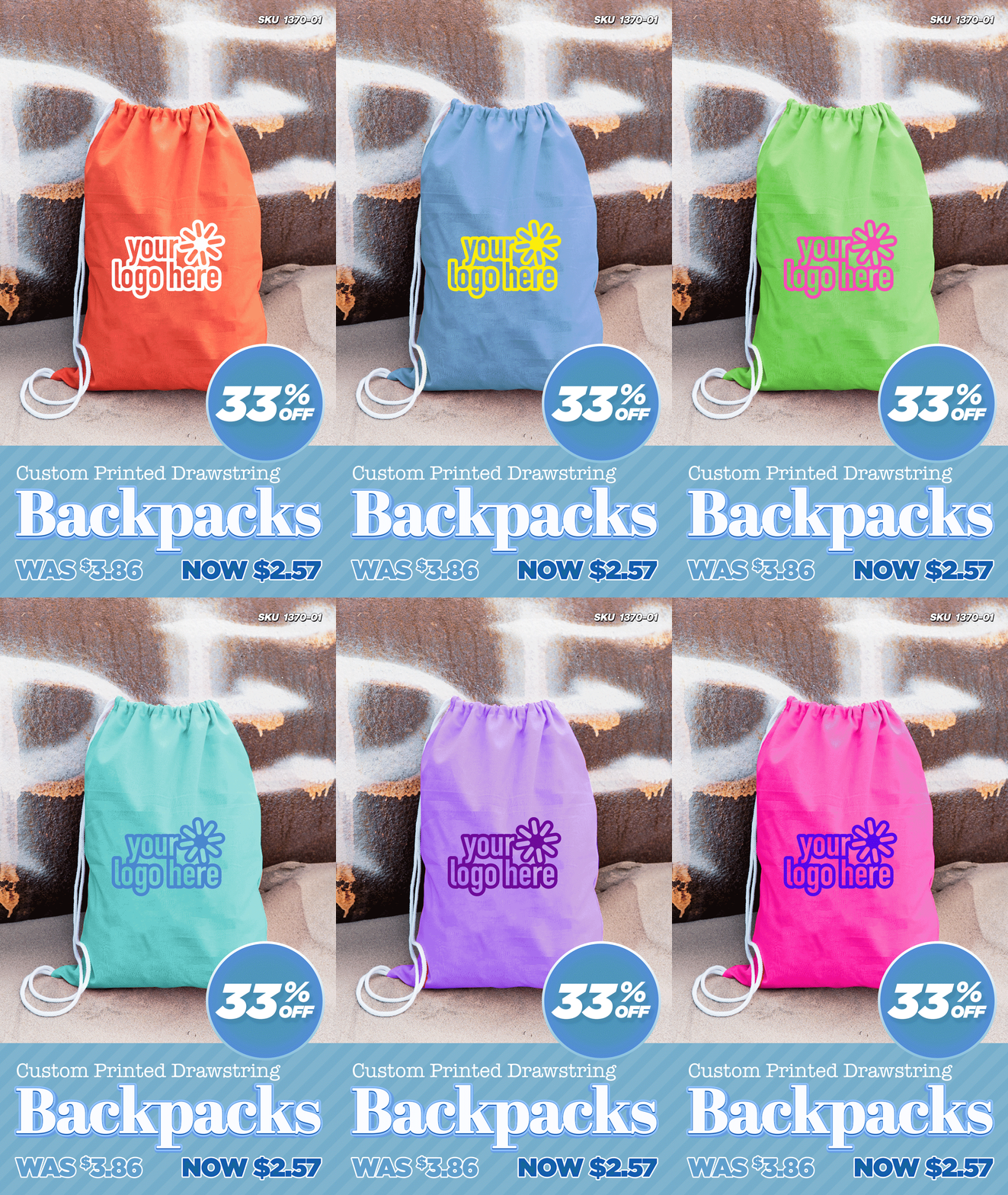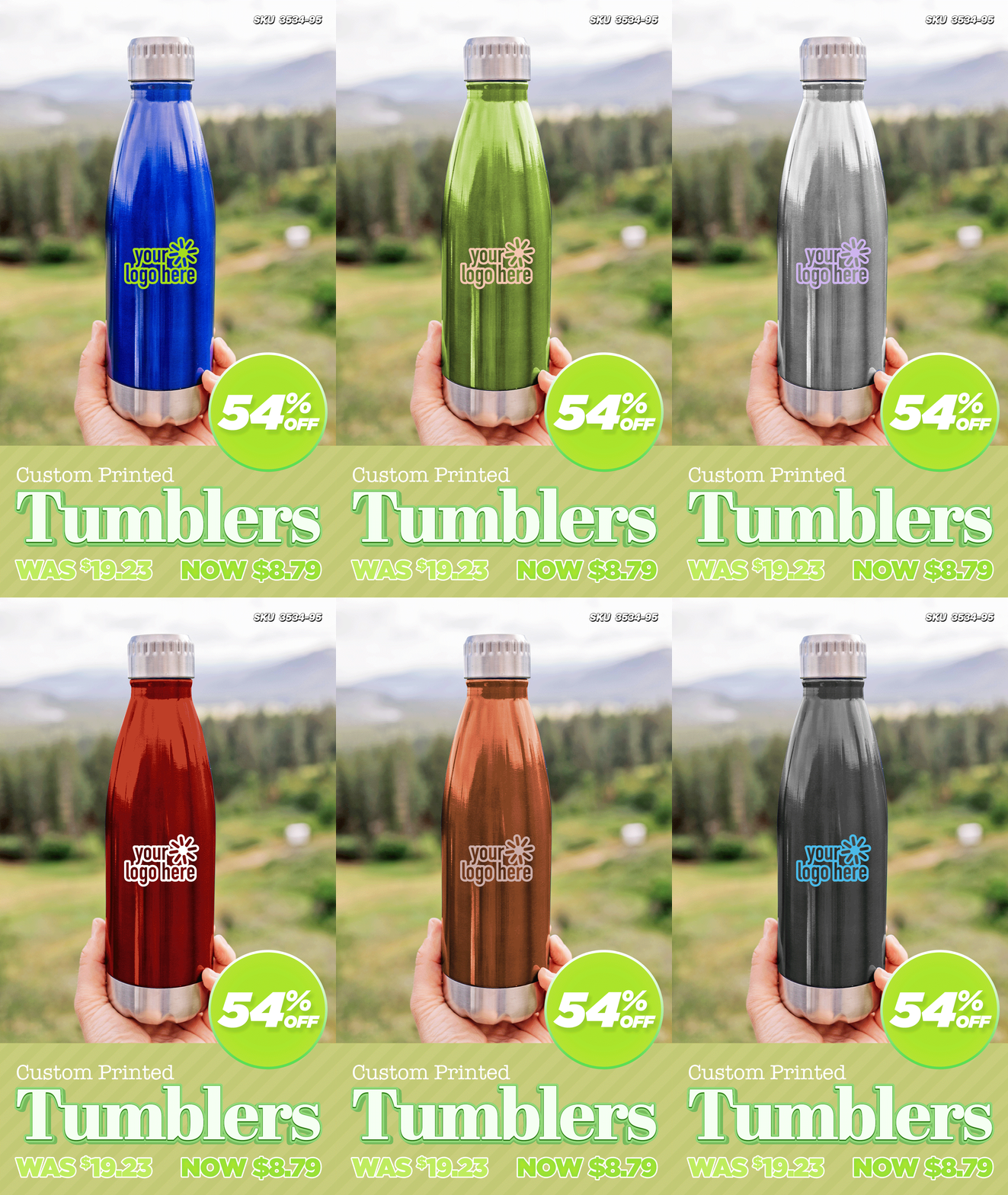

Let’s talk about the power of color.
It may surprise you to learn the true impact of color psychology marketing. Every color you see in an advertisement or logo is intentional and chosen to convey a specific emotion.
As a marketer, you can capitalize on color theory psychology to help your customers build connections with your brand's mission, messaging, and initiatives.
Whether you're starting a new company or looking to revamp your branding - you've come to the right place. We’re here to walk you through color theory psychology and how it can improve your promotional product strategy and marketing initiatives.
Here's everything you need to know about color psychology marketing:
What is Color Psychology?
Color psychology is all about understanding your customer’s perspective. It’s about considering the emotional impact of the colors associated with your brand and being strategic to ensure they have a positive experience with your brand.
Every color you use on your website drives an emotional response. Your CTAs, buttons, logo, and website color scheme all have the power to impact the user experience. As a brand, you’ll want to be strategic with your color choices to ensure that each color is purposeful and guides your customer through the prospecting and post-purchase experience.
Color Psychology By Color
Every color provides a different emotion. As a brand, you'll want to consider what emotions and feelings your brand is trying to convey.
Here's a look at the color psychology of some of the most popular colors used in advertising:
Red
You're likely familiar with the red commonly used in fast-food chains. When you think of colors in advertising, your mind probably jumps to brands like McDonald's or Coca-Cola.
Red is a stimulating color. It commonly symbolizes love, hunger, and excitement. That's why when you see the red McDonald's logo, you may feel inclined to get off the freeway and grab a bite to eat. These brands use red in their marketing to help persuade consumers that they are hungry and should grab a bite to eat.
However, the color psychology of red doesn't stop there. It also helps to build trust and put individuals in a good mood. Next time you're shopping on your favorite brand's website, you may notice the buy now button is in red - because they are trying to push you to purchase and shop with their brand.
Blue
Blue has a peaceful presence. It's used to establish trust and stability. Brands like Facebook, Dell, PayPal, and Chase are all brands built on the foundation of trust and reliability. They use the color blue to show that they are not just another brand you shop with but a partner you can rely on for great products and services.
The color psychology of blue is quite different from red. This is why you don't see many fast-food restaurants using blue in their marketing. However, it's a great color for B2B or B2C businesses wanting to establish credibility and associate a level of seriousness with their branding.
Yellow
Yellow is a fun, cheerful color used as an attention grabber. Think about the iconic golden arch in the McDonald's logo, Best Buy, or the Shell gas station. These companies use yellow to grab consumers' attention and show their confidence in the space. While this color is commonly associated with happiness and playfulness, there is a level of seriousness as well. This is a great contrast brands can use in their marketing campaigns.
Green
Green is a color connected to health, money, nature, and wealth. You’re probably familiar with seeing green in the Subway or Fidelity logo. These brands use green to attract new customers and build trust with their current clientele. When you're looking for somewhere to grab lunch but on a diet, you may feel more inclined to choose Subway because of its subtle association with health and wellness.
White
White is commonly known and recognized as a complementary color with connections with luxury brands, tech products, and futuristic designs. When you think of the color white, your brain likely goes to Apple. Apple uses the color psychology of white to show its dedication to high-end items and simplicity.
Black
Black is known for its versatility. It’s the perfect complementary color and can be used in different ways. The psychology of the color black is power and strength. Even when other colors aren’t present, you can feel confident and secure with the black. This color is often used as a secondary color to complement colors like red and yellow.
How Your Brand Can Use Colors in Advertising
Once you understand color psychology and how to use different colors to your advantage, it's time to use color psychology in your marketing strategy.
Here's how to use colors that attract customers:
Use Color to Inspire Emotions
Colors are the driving force for emotions and emotional reactions. As a brand, you can capitalize on this emotional connection in your marketing initiatives by looking for fun ways to connect with your audience.
Conduct a Competitor Analysis
Your competitors provide insight into what is and isn’t working for their brand. You can use their strategy to revise and improve your own approach. To conduct a thorough color psychology analysis, you’ll want to look at their website, landing pages, advertisements, and marketing materials. What works? What doesn’t work? What can you gain inspiration from to use in your own marketing strategy?
Stay Consistent
Whether you choose red, blue, back, or green - it’s important to stay consistent with your branding choices. This will help you establish credibility with your current audience and easily relate to your prospective audience.
Consider Your Audience
Not sure which colors in advertising are working for your brand? Your audience will provide insight into what does and doesn’t work. You can use branding tools like promotional products to know which colors your audience is more connected to. Adding your logo to these items are tools you can use to understand customer behavior and build connections.
Play With A/B Testing
Not sure which color is right for your audience? Consider running an A/B test. This is a great way to understand your customer’s likes and dislikes. It can also help you refine your approach to marketing and build a customer-first strategy designed with your customers in mind.
Explore Color Theory Psychology With Bagmasters
Ready to test color theory for yourself? You’ve come to the right place. At Bagmasters, we have items in red, blue, green, and everything in between. We’re here to help you leverage the right colors in advertising to improve your relationship with your target audience and push them to shop with your brand.
Explore our collection of best-selling promotional products today to get started.