
If you’re deciding to start your own small business startup - congrats! A great idea and the determination to take on the challenge is half the battle. It may not seem like it from the outside looking in, but there’s a lot that goes into getting an idea off the ground. From branding and marketing materials to logistical and business planning - as a newfound business owner, you'll be wearing a ton of different hats during the first few months or years.
To help you plan, we created a business startup checklist so you can keep yourself organized during these pivotal moments.
Here’s our business plan checklist to help you get started:
1. Create a Business Plan
Think of your business plan as a guide or the foundation of your startup. You'll use your plan to craft strategies and choose which marketing techniques will work best for your setup.
When creating your business plan, you'll want to include all the nitty-gritty details that come to mind. This way, when you're ever feeling stuck or don't know which step to take, you can lean on the groundwork you laid out during the early stages.
Your business plan will also hold you accountable to your goals and give you motivation to keep moving forward. With grit, perseverance, and a big idea - you can use your business plan to turn your dreams into a reality.
2. Set a Budget
During the early stages, you might not have too much cash to throw around, so you'll need to be careful and strategic with your money. With a clear-cut budget, you can decide what is a must-have and what is just a want. Your budget is there to help you determine how much money you can spend on marketing, sales tools, software, and employees.
Start by creating a budget for the first 12 to 24 months. At the end of this period, come back and decide if you need to tighten the budget or if you can spend more moving forward.
Don't forget - as a new business, anything can happen. You should always be prepared for unexpected costs or additional expenses. Also, don't be too hard on yourself if you can't follow your budget to a tee. The first few years are a learning experience.
3. Make Your Business Official
Depending on where you reside, there are some local regulations you need to follow before you can establish your business. You'll want to iron out these details early on so you don't run into any snags in the road later down the line.
Here's how you can get started:
- Register your business name of choice with the state you reside in
- Get the permits, licenses, and any other state-specific documents taken care of
- Open up a bank account
- Get a pulse on the business taxes and fees you'll be subject to paying every year
- Invest in the right insurance that makes sense for your business
Every state is different. To learn more about your state’s individual requirements, visit their website.
4. Create a Logo
Before you can start thinking about your marketing materials, establish your website, or start setting up calls with clients - you'll need a logo. Your logo will represent the vision you have for your startup. It will be the core identifying aspect of your business and give your customers something to remember you by.
Your logo will be with you for the next several years. If you don't have a creative background, consider outsourcing services. A professional graphic designer will create creative options that align with your brand's tone and identity.
5. Solidify Colors and Fonts
Now, the real fun begins! Once you have the logistics and operation details figured out: You can start building your brand. You'll want to create a set of brand guidelines your team can follow.
Ask yourself: What colors and fonts do you want to use? What does your logo look like, and does it have any variations? What are your brand's mission statement and slogan?
All the details take time and should align with your overall vision for your brand.
6. Create a Website
A website allows you to establish an online presence. Without one, how will potential prospects ever discover you? These are an invaluable tool that helps you build awareness, connect with customers, and grow your business in new directions.
When you create your website, you'll want to make it clear and concise. Stay true to your branding and think about the user experience.
If you don't have any experience building a website, don't be afraid to reach out for professional help! A web developer will help you create a next-level website that accurately represents your brand and what you stand for.
7. Start Marketing
Marketing is vital to your brand’s success during the early stages. You’ll need business cards, print marketing materials, and a digital marketing strategy. All of these components are going to help you connect with your target audience and help you get your first few customers in the door.
Here are a few key components to keep in mind during the early stages:
- Set up social media profiles and secure your business handle
- Invest in email marketing and add a newsletter sign-up form on your website
- Buy business cards, flyers, and other print marketing materials
- If you have the budget, consider paid advertising
When thinking about marketing materials, always go where your target audience is.
For example, if you're a small business startup looking to connect with a small community, consider tabling at a local community event. You can hand out branded promotional products, flyers, and business cards. If you’re an eCommerce, SaaS product, or an online business, you’ll want to focus on crafting a digital marketing strategy.
8. Invest In Branded Swag
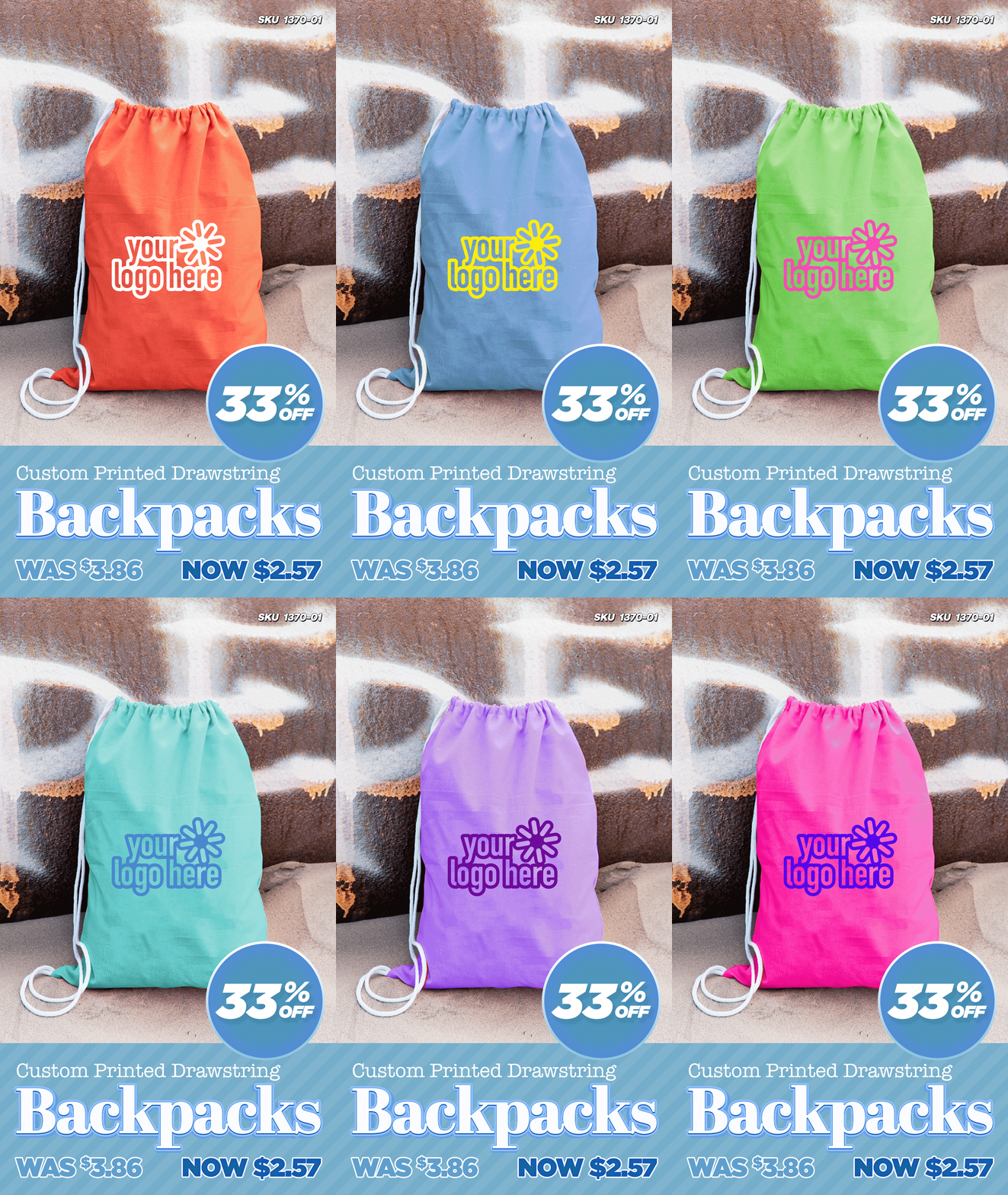
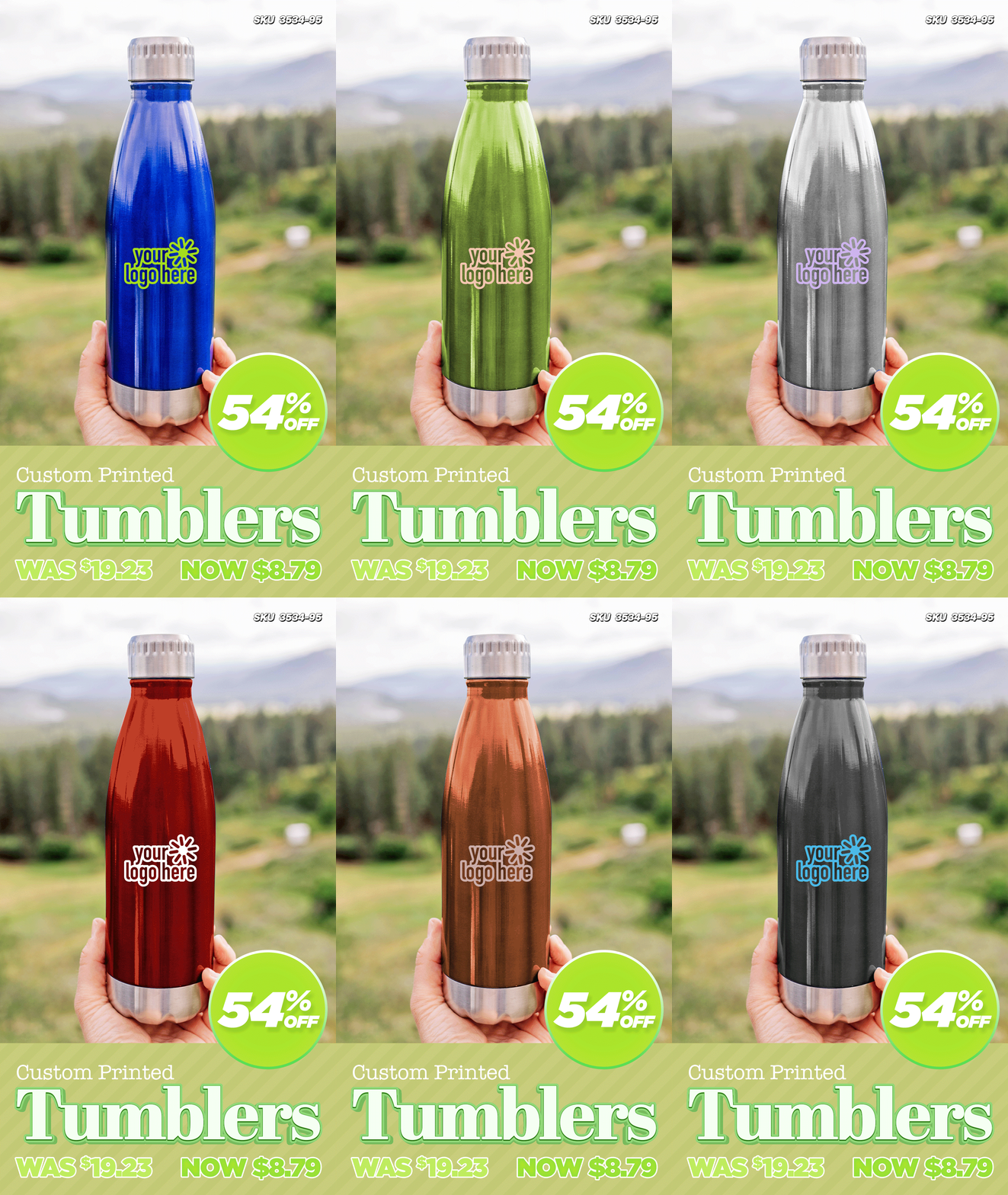
Branded promotional items will help generate excitement around your new brand and help you feel established. Whether you want to add your logo to a polo so you can feel professional during client meetings or you want low-cost giveaways to hand out at community events. All of these items have a significant ROI and will help establish credibility.
9. Network
During the early stages, don’t be afraid to lean on your network for advice and guidance. They are invaluable tools that will help you build your brand and grow your business.
Your network can also help you secure new business and will help build awareness around your new small business startup. You can also use your network to find investors, mentors, and business partners that will guide you toward success.
Small Business Startup Branding With BagmastersAt Bagmasters, we know how important it is to find high-quality promotional items that complement your startup small business during the early stages. These items are an integral part of any business startup checklist and should remain top of mind during your early business stages.
If you’re a small business starting to launch your brand, explore our selection of promotional products today!